
Back pain can turn normal tasks into difficult ones. Sitting through work, standing from a chair, sleeping comfortably, or bending to put on shoes may become frustrating. Sciatica can add burning, tingling, numbness, or discomfort that travels from the lower back into the leg.

At Freedom Health Care Center, we focus on how these symptoms affect daily movement before planning care. Our approach to back pain treatment in Lexington, KY considers the pattern of discomfort, activity limits, lifestyle habits, and other factors that may be connected to ongoing symptoms.
Our back pain care may support people dealing with muscle tightness, stiffness, limited motion, recurring soreness, or discomfort linked with prolonged sitting and physical strain. Instead of treating every case the same way, we consider what may be contributing to the problem.
We provide the best sciatica treatment in Lexington, KY, with a focus on identifying ongoing nerve-related symptoms and supporting more lasting improvement in comfort and movement. We aim to understand how nerve-related discomfort is affecting movement and daily routines. That information helps us determine which supportive care options may fit the individual situation.
Once the main symptom pattern is understood, the next step is looking more closely at the area where discomfort begins and how movement may be involved.
The lower spine supports much of the body’s weight during standing, lifting, walking, and sitting. Because of this constant demand, discomfort may develop after repeated strain, poor movement habits, muscle imbalance, or long periods in one position.
During back pain treatment in Lexington, KY, we consider how the discomfort behaves instead of focusing only on where it hurts. Some people feel a dull ache across the lumbar area, while others notice sharp discomfort during bending, twisting, or getting out of bed. We consider changes in hip movement, posture, walking comfort, and daily activity when lower back pain begins to interfere with normal movement.
We pay close attention to leg symptoms during sciatica treatment in Lexington because sciatic nerve irritation can cause radiating discomfort, tingling, or numbness beyond typical muscle soreness. We consider where symptoms travel and how certain positions affect them.
Understanding these physical patterns creates a clearer basis for choosing supportive methods. From there, care can also consider everyday habits and non-invasive approaches that may help the body function more comfortably.


Medication is not the only factor people consider when managing recurring back discomfort. Daily movement, nutrition, sleep habits, physical stress, and activity levels can all influence how the body feels over time.
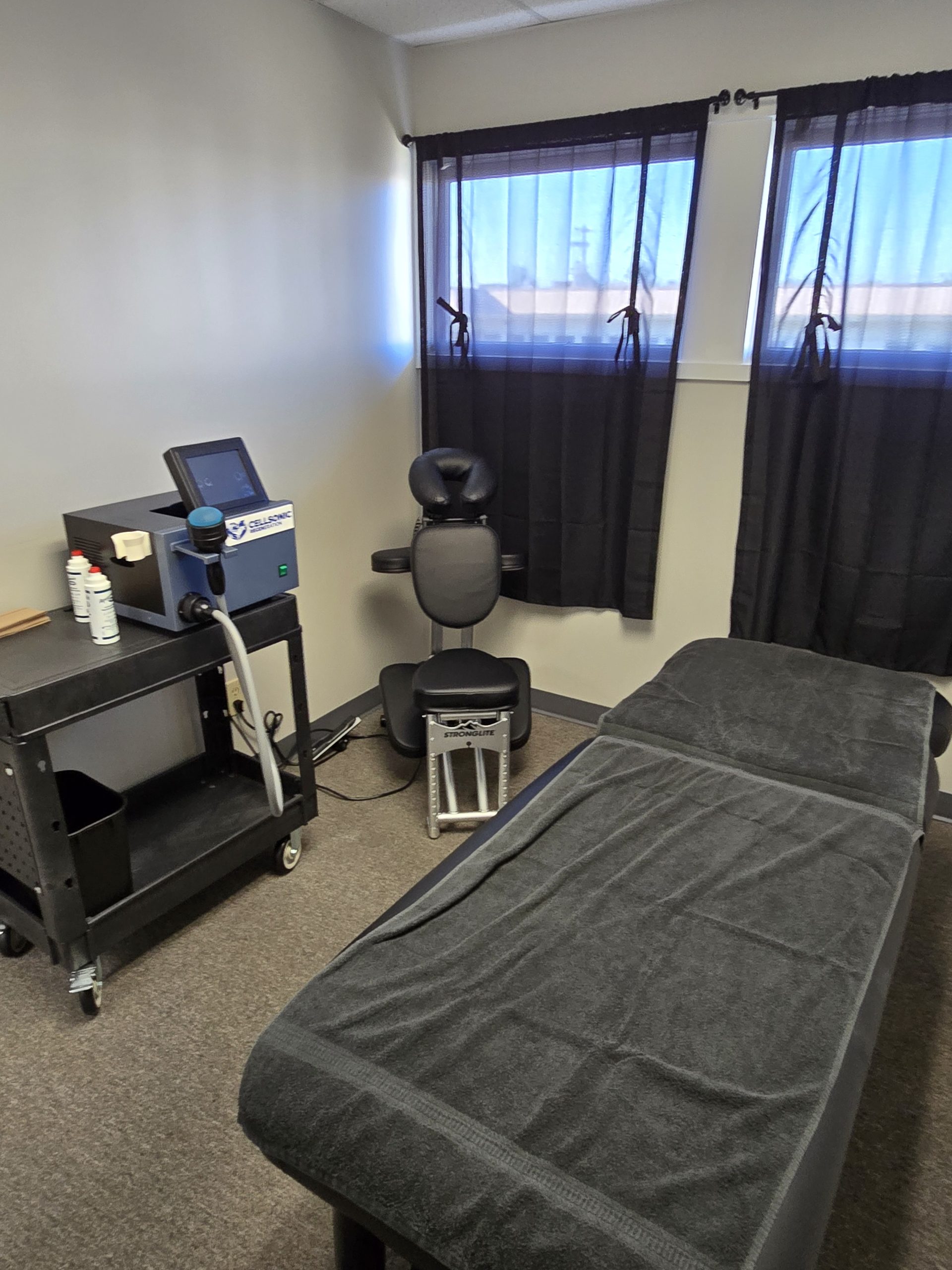
Our approach to natural back pain relief in Lexington, KY focuses on supportive care that considers these everyday influences. Freedom Health Care Center provides alternative health care and may incorporate therapies offered within our clinic when they fit the person’s needs and health goals.
Our back pain specialist in Lexington, KY, looks at more than symptom severity by considering mobility changes, recurring discomfort, and factors that may affect back function. We look at duration, frequency, movement limits, daily habits, and related symptoms so care decisions have a clearer basis.
Our goal is to help clients understand factors that may be influencing recurring discomfort while supporting better day-to-day function. This approach is especially useful when back symptoms have lasted longer than expected or keep returning after periods of temporary improvement.
Sciatica may interfere with walking, driving, climbing stairs, or remaining seated for long periods. Some people feel discomfort through the buttock and thigh, while others notice tingling or numbness extending farther down the leg.
People searching for sciatica care near me often need care that considers both the lower back and the path of the affected nerve. We review how symptoms travel, which movements aggravate them, and how those symptoms interfere with normal activity.
Rather than relying on a single method, we consider the client’s broader health picture before discussing available supportive care. During back pain treatment in Lexington, KY, this helps us distinguish general back discomfort from symptoms that may require greater attention to nerve involvement.
Freedom Health Care Center provides care for back and sciatica concerns as part of its alternative health services. Clients can contact our care center at (859) 447-4140 to discuss available care options and appointment information.

We review symptom history, movement limits, and nerve-related signs to understand what may be driving back discomfort before discussing suitable care options with each client.
Our approach to best sciatica treatment in Lexington, KY considers radiating leg discomfort, nerve irritation, and movement changes that may affect normal daily activity.
We help clients understand their back condition, possible contributing factors, and supportive care choices so they can make informed decisions about managing ongoing discomfort.
Back pain may need further care when it keeps returning, lasts longer than expected, or starts limiting normal movement. Rest can help after mild strain, but staying inactive for too long may also make stiffness worse. We first look at how long the discomfort has been present, what activities affect it, and whether symptoms are changing. We also consider whether the discomfort remains in one area or begins spreading into the hip or leg. This gives us a clearer view of the problem before discussing care. Our goal is to help clients understand what may be contributing to their symptoms and choose appropriate support based on how the back is functioning.
Long periods of sitting can place steady pressure on the lower back and may tighten muscles around the hips and lumbar area. Certain seated positions can also increase discomfort if the back is already irritated. We look at sitting habits, work routines, chair support, and how symptoms change after standing or walking. This helps us understand whether prolonged sitting is playing a role in the discomfort. During care, we may also discuss practical changes that reduce unnecessary strain during the day. The aim is not simply to avoid sitting, but to identify positions and habits that may be adding stress to the back and making symptoms harder to manage.
Recurring stiffness often requires looking at more than one episode of soreness. We review how frequently it happens, which movements feel restricted, and whether certain daily habits contribute to the problem. During back pain treatment in Lexington, KY, we consider mobility, physical stress, activity level, and other factors connected with repeated discomfort. We may then discuss supportive care options available through Freedom Health Care Center based on the client’s situation. Our approach focuses on helping clients understand why stiffness may keep returning rather than treating every flare-up as an isolated event. This gives them clearer information about their back health and practical ways to support better movement over time.
Weakness around the abdomen, hips, or supporting muscles may affect how the body handles everyday movement and physical load. When certain muscles do less work, other areas may take on more strain. We consider how the client moves during common activities and whether weakness or poor control may be contributing to discomfort. This does not mean every case of back pain comes from weak muscles. Different causes can produce similar symptoms. Our role is to look at the overall movement pattern and health history before discussing suitable care. By identifying areas that may be placing extra demand on the back, we can provide more useful guidance for supporting function and reducing repeated strain.
Morning back discomfort can be linked with sleep position, mattress support, muscle stiffness, or reduced movement during the night. Some people notice that the back loosens after gentle activity, while others continue feeling discomfort throughout the day. We pay attention to how long morning stiffness lasts and whether certain sleeping positions make symptoms better or worse. Those details can help separate temporary stiffness from a pattern that deserves closer attention. We also consider whether the discomfort affects bending, standing upright, or getting started with normal activities. Our care focuses on understanding the pattern behind the symptoms so clients receive guidance that fits what they are actually experiencing rather than relying on general advice.
A back pain visit usually begins with a discussion about symptom history, recent changes, previous injuries, and activities that may affect the discomfort. We also want to understand how the condition is interfering with normal routines. Depending on the situation, we may review movement limits, areas of sensitivity, and whether symptoms extend beyond the back. Freedom Health Care Center offers alternative health care approaches for people dealing with back and sciatica concerns. We use the information gathered during the visit to discuss suitable supportive options rather than making assumptions from one symptom alone. This gives clients a clearer understanding of what their next steps may involve and why certain care choices are being considered.
Repeated lifting can place ongoing demand on the muscles and structures supporting the lower back, especially when loads are heavy or movement patterns are inconsistent. The effect may build gradually instead of starting after one obvious injury. We consider how often lifting occurs, the type of load involved, and which part of the movement causes discomfort. We may also review whether twisting, reaching, or carrying contributes to symptoms. Understanding the work-related pattern helps us discuss care in a way that fits the client’s actual routine. Our focus is on identifying factors that may continue stressing the back, so the client has useful information for managing discomfort while protecting normal movement during daily tasks.
Back pain may return when the factor contributing to it is still present. Symptoms can settle for a period while repeated strain, limited mobility, physical workload, or certain habits continue affecting the same area. We look at what changed before the discomfort returned and whether each flare-up follows a similar pattern. This helps us understand whether the problem is linked with activity, movement, or another recurring trigger. We also consider how long relief lasted and whether function fully returned between episodes. Our care is aimed at giving clients a clearer picture of recurring symptoms and helping them make informed choices about supportive care rather than waiting for each new episode to become more difficult.