
Persistent pain, slow recovery, and ongoing soft-tissue discomfort can interfere with movement, work, exercise, and everyday activities. When conventional self-care has not provided enough relief, some people begin exploring non-invasive therapy options that can be incorporated into a broader wellness plan.
Cell-Sonic Regeneration Therapy in Lexington, KY uses focused pressure-wave technology applied from outside the body. The goal is to create a controlled mechanical response in targeted tissues while avoiding incisions, injections, and surgical treatment.
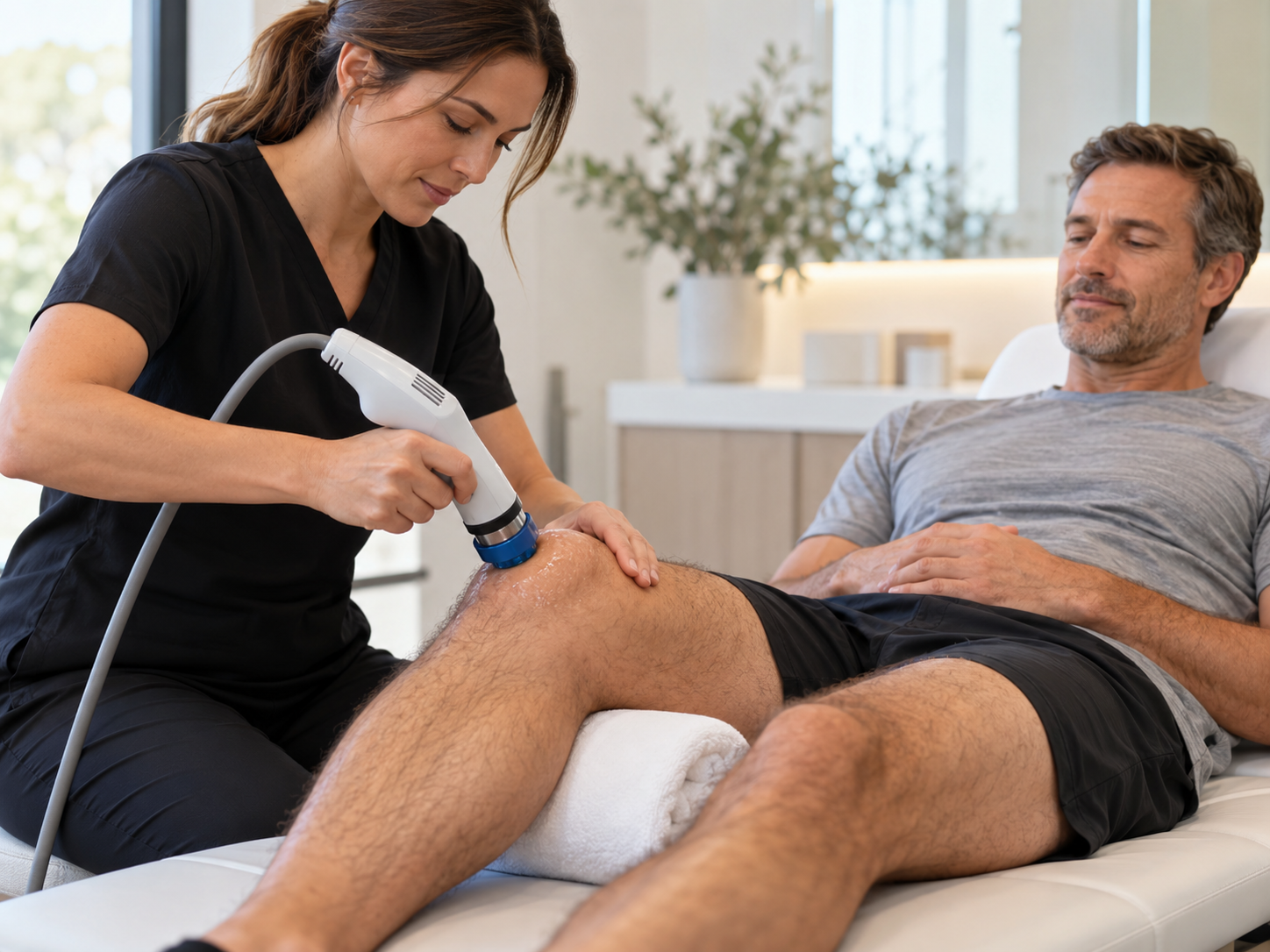
At Freedom Health Care Center, Cell-Sonic therapy begins with the individual rather than the equipment. We take time to understand where discomfort is occurring, how long it has been present, what affects it, and what other care the person has already tried.
Cell-Sonic technology delivers focused pressure waves into a selected treatment area. Shockwave-based therapies have been used in healthcare for different purposes, including certain musculoskeletal and soft-tissue concerns. However, the reason for treatment, health history, target area, and type of device all matter when deciding whether this approach is suitable.
Our consultation helps us understand the complete picture before discussing a therapy plan. Someone experiencing long-standing tendon discomfort may have very different needs from a person dealing with a recent soft-tissue concern or limited movement.
Cell-Sonic therapy should also be viewed as supportive care rather than a replacement for appropriate medical diagnosis. New injuries, severe pain, unexplained swelling, sudden weakness, fever, significant loss of function, or other concerning symptoms should first receive appropriate medical attention.
Cell-Sonic uses externally generated pressure pulses that are directed toward a selected area of the body. These mechanical waves pass through tissue and create physical stimulation within the treatment area. The technology belongs to the broader family of pressure-wave and shockwave approaches used in healthcare.
Research into extracorporeal shockwave and acoustic-wave therapies has examined effects involving local circulation, tissue response, pain, and recovery in certain musculoskeletal conditions. Results depend on the condition being addressed, the technology used, treatment settings, and the person receiving care.
There is no surgical incision involved in the process. The individual remains awake, and treatment is delivered from outside the body. Some people may feel repeated tapping, pulsing, or stronger pressure as the applicator works over the selected area.
The intensity should not simply be made as strong as possible. Treatment settings can depend on the location being addressed, sensitivity of the area, individual tolerance, and the purpose of the session. This is one reason a personalized approach is important.
Freedom Health Care Center can also consider Cell-Sonic therapy alongside other aspects of a person’s wellness plan. Nutrition, daily movement, lifestyle habits, rest, existing medical care, and other health concerns may all influence how someone feels and recovers.


A Cell-Sonic appointment starts with identifying the area that needs attention and reviewing any changes since the previous visit. Treatment is then directed toward the selected area using the handheld pressure-wave applicator. The number and frequency of sessions can vary, so the care plan should be based on the individual rather than a standard promise.
The sensation can differ from one body area to another. Some areas may feel more sensitive, especially when pressure waves are directed near already uncomfortable tissue. The treatment level can be adjusted according to the therapy plan and the person’s response.
Because this is a non-invasive approach, there is no incision to heal after a typical session. Some people can return to normal daily activities afterward, although the response varies according to the treated area and the underlying problem.
Temporary tenderness, soreness, redness, or sensitivity can occur with shockwave-based treatment. People should tell the practitioner if treatment becomes unusually uncomfortable or if concerning symptoms develop afterward. General acoustic-wave treatment has relatively few risks, but suitability still depends on individual circumstances.
Progress should also be reviewed realistically. Some people may notice changes sooner than others, and response cannot be guaranteed. Our goal is to provide clear information about what is being done, why it is being considered, and how it fits into the person’s broader wellness plan.
People often explore pressure-wave therapy because they want an option that does not immediately involve an injection or surgical procedure. Certain forms of extracorporeal shockwave therapy have been used for musculoskeletal concerns involving tendons, fascia, and other soft tissues.
That does not mean every painful condition has the same cause or should receive the same therapy. Heel discomfort, shoulder pain, tendon problems, back discomfort, and joint-area pain can come from many different conditions. Understanding the source of the problem matters before choosing an appropriate approach.
People taking medications, living with significant medical conditions, recovering from surgery, or receiving care for a diagnosed condition should provide accurate health information before beginning therapy. Existing treatment should not be stopped simply because Cell-Sonic therapy is being considered.
At Freedom Health Care Center, we want clients to understand the difference between supporting recovery and promising a cure. The word “regeneration” is part of the therapy name, but outcomes vary and the therapy should not be presented as a guaranteed way to regrow damaged tissue or reverse a disease. CellSonic’s own current disclaimer states that its VIPP technology is not intended to diagnose, treat, cure, or prevent disease.
A consultation gives us an opportunity to discuss your concern, answer questions, and determine whether Cell-Sonic therapy makes sense as part of your wellness approach.

We start by learning about the location of your discomfort, health history, previous care, activity level, and personal goals. This helps us discuss whether pressure-wave therapy is an appropriate option for your situation.
Cell-Sonic treatment is delivered externally to a selected area without surgical incisions. Treatment settings and placement can be adjusted according to the target area, therapy goals, and individual response during the session.
We explain what happens during treatment, what the pressure waves may feel like, and what to watch for afterward. Progress can be reviewed over time so care remains connected to your individual needs rather than following the same plan for everyone.
Cell-Sonic Regeneration Therapy uses focused pressure-wave or shockwave technology delivered from outside the body. An applicator directs controlled mechanical pulses toward a selected treatment area.
Pressure-wave therapies are used in different areas of healthcare, particularly for certain musculoskeletal and soft-tissue concerns. The mechanical stimulation created by the waves is studied for its effects on tissue response, blood flow, discomfort, and recovery. The exact result depends on the condition, type of shockwave technology, settings, and individual patient.
Most people can expect to feel repeated tapping or pulsing as pressure waves are delivered through the applicator. The sensation may be mild in one area and more noticeable in another, especially when the tissue is already sensitive.
Treatment intensity can be adjusted according to the target area, therapeutic purpose, and individual tolerance. Patients should communicate how the treatment feels rather than trying to tolerate excessive discomfort. Temporary soreness or tenderness can occur afterward. Any unexpected, severe, or continuing symptoms should be discussed with an appropriate healthcare professional.
There is no single session schedule that is appropriate for every person. The number of treatments can depend on the concern being addressed, how long symptoms have been present, the target area, response to previous sessions, overall health, and the goals of care.
During the initial consultation, Freedom Health Care Center can explain the proposed treatment approach and how progress will be reviewed. Be cautious of claims that promise a particular result after an exact number of sessions. Responses to pressure-wave therapy vary, and an individualized plan provides a more responsible approach.
Pressure-wave and extracorporeal shockwave therapies are most established in healthcare for selected musculoskeletal and soft-tissue applications. Examples in broader shockwave therapy literature include certain tendon problems, plantar fascia concerns, calcific tendon conditions, and persistent soft-tissue discomfort. However, having pain in one of these areas does not automatically make someone a suitable candidate for Cell-Sonic therapy. The cause of the symptoms should be considered first.
No result like that should be assumed from the name alone. “Regeneration” is used in the branding and description of the technology, but it should not be interpreted as a guarantee that damaged tissue will completely regrow or that a chronic disease will be reversed.
Research into shockwave and acoustic-wave treatment continues across several areas of medicine. Evidence and regulatory status differ considerably depending on the condition, device, and treatment protocol.
Even CellSonic’s current official website includes a disclaimer stating that its VIPP technology is not intended to diagnose, treat, cure, or prevent disease.
No. Cell-Sonic therapy is performed from outside the body. The pressure-wave applicator is positioned over the selected area, so treatment does not require a surgical incision or the injection of medication into the target area.
That difference can make pressure-wave therapy worth discussing for people interested in non-invasive options. However, non-invasive does not mean it should replace surgery, medication, rehabilitation, or another treatment when those options are medically necessary.
The right approach depends on the underlying condition and individual health situation.
Not necessarily. Health history, medications, pregnancy, circulation concerns, recent injuries or procedures, the treatment location, and other factors can affect whether pressure-wave therapy is appropriate.
Patients should provide complete and accurate information before treatment. If someone is currently under medical care for an injury or chronic condition, it may also be appropriate to discuss the proposed therapy with the healthcare professional managing that condition.
Treatment should be postponed in favor of appropriate medical evaluation when symptoms suggest a potentially urgent or undiagnosed problem.
Because treatment is non-invasive, there is generally no surgical recovery period associated with the procedure itself. Many people may be able to continue normal daily activities after a session, but recommendations depend on the treated area and the underlying concern. A person receiving therapy for an irritated tendon, recent injury, or painful soft tissue may still need to modify certain activities independent of the Cell-Sonic session.