
Chest discomfort, fatigue, or shortness of breath can make everyday activity harder for people living with certain heart and circulation concerns. Walking, climbing stairs, working, or staying active may become more difficult when symptoms continue despite ongoing care.
EECP Therapy is a non-invasive treatment that uses timed pressure around the lower body to support blood flow and reduce symptoms in appropriate patients.
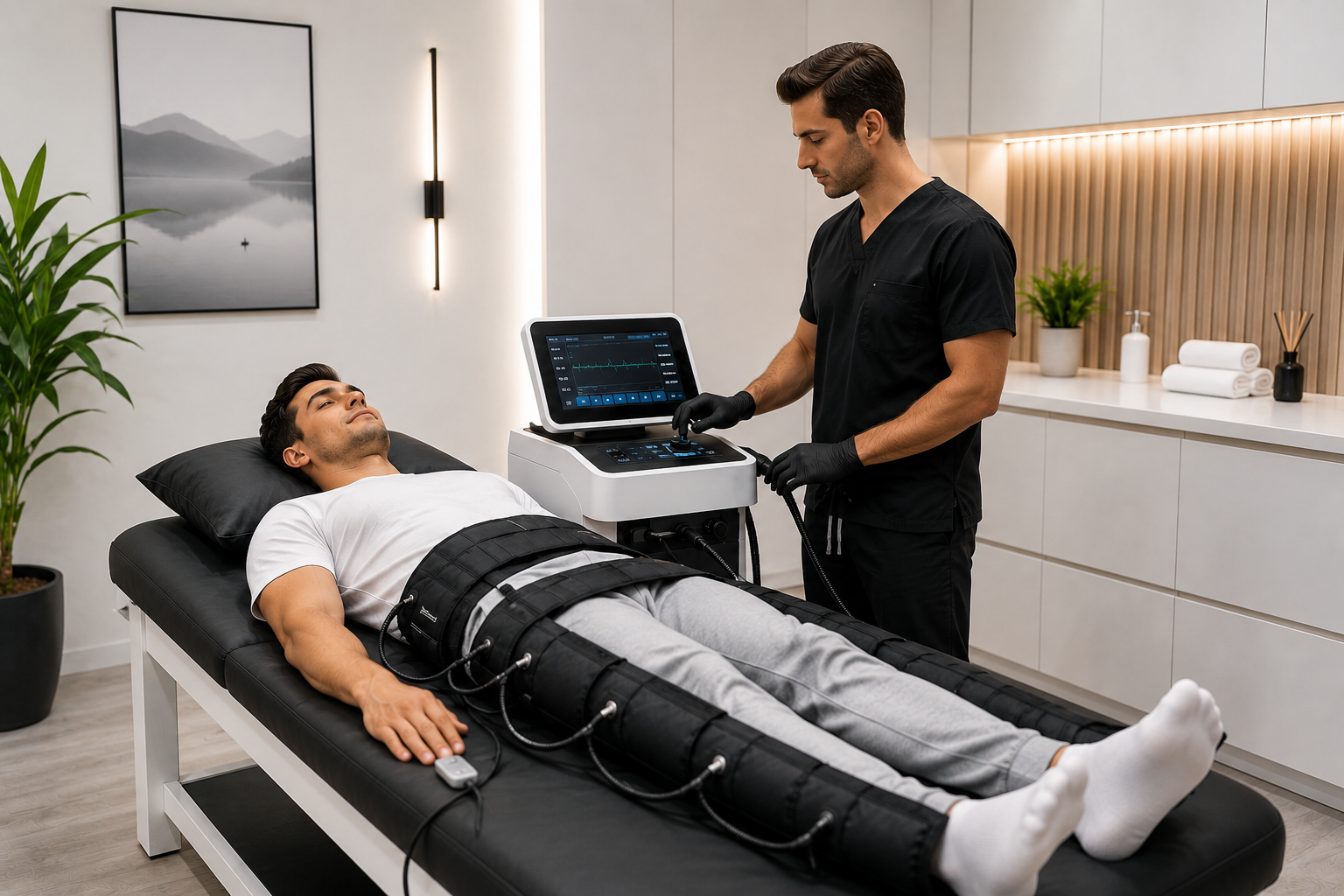
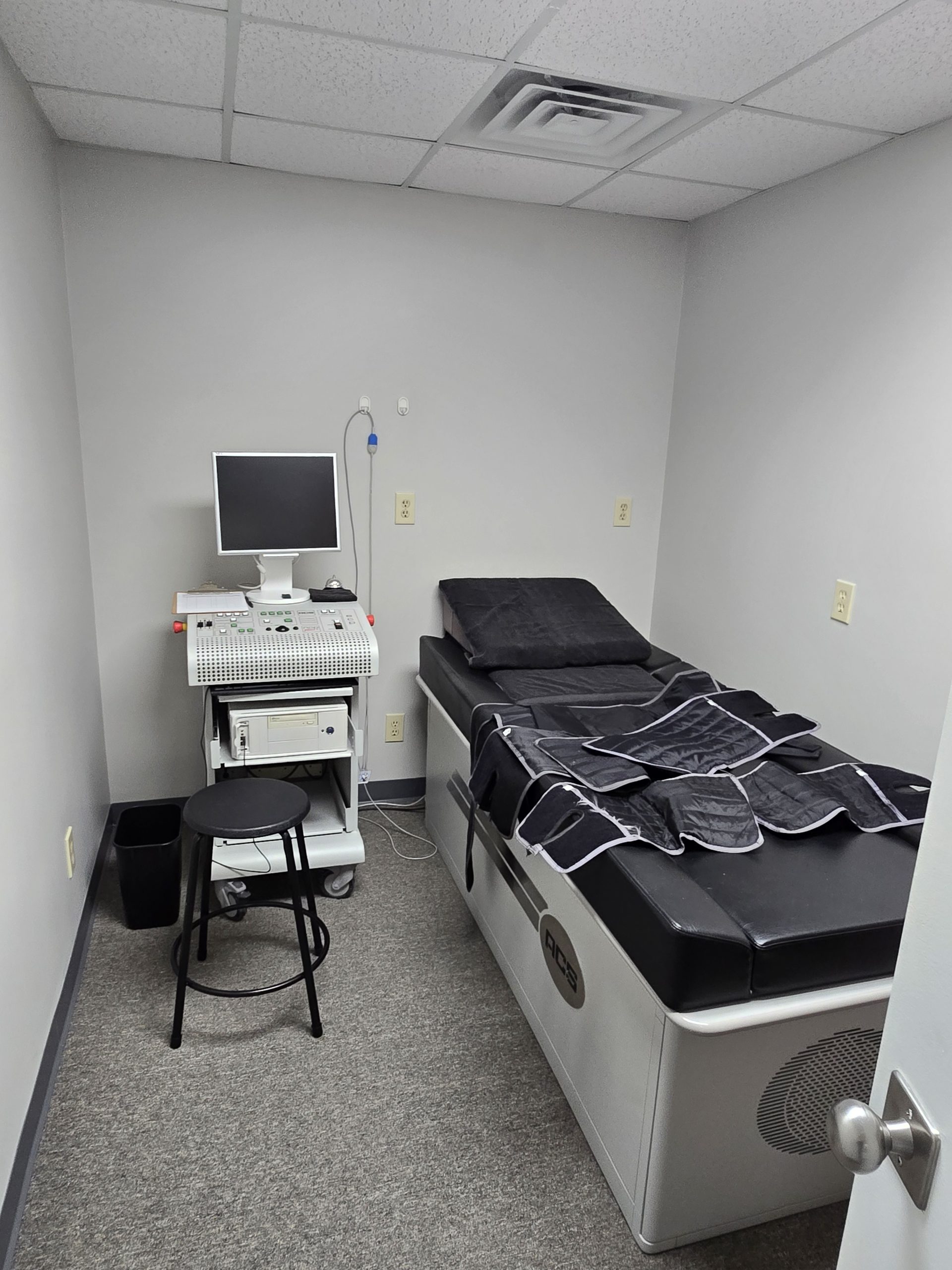
At Freedom Health Care Center, we provide EECP therapy in Lexington, KY as part of our personalized approach to health and wellness. Enhanced External Counterpulsation, commonly called EECP, uses inflatable cuffs around the legs and lower body. These cuffs tighten and release in coordination with the heartbeat to support circulation.
EECP is commonly considered for people with chronic stable angina, especially when symptoms continue despite other medical treatment or when certain procedures are not suitable. Because heart symptoms and medical histories vary, EECP is not automatically right for everyone.
Our approach begins with understanding the person’s health history, current concerns, activity limits, and wellness goals. This information helps determine whether EECP treatment in Lexington, KY may fit into the person’s broader care plan.
EECP is not emergency treatment for sudden chest pain. New, severe, unexplained, or rapidly worsening chest discomfort requires immediate medical attention. People should also continue prescribed heart medications or other medical care unless their prescribing healthcare professional recommends a change.
The heart receives much of its own blood supply during the part of the heartbeat when it relaxes. EECP is designed to work with this natural timing.
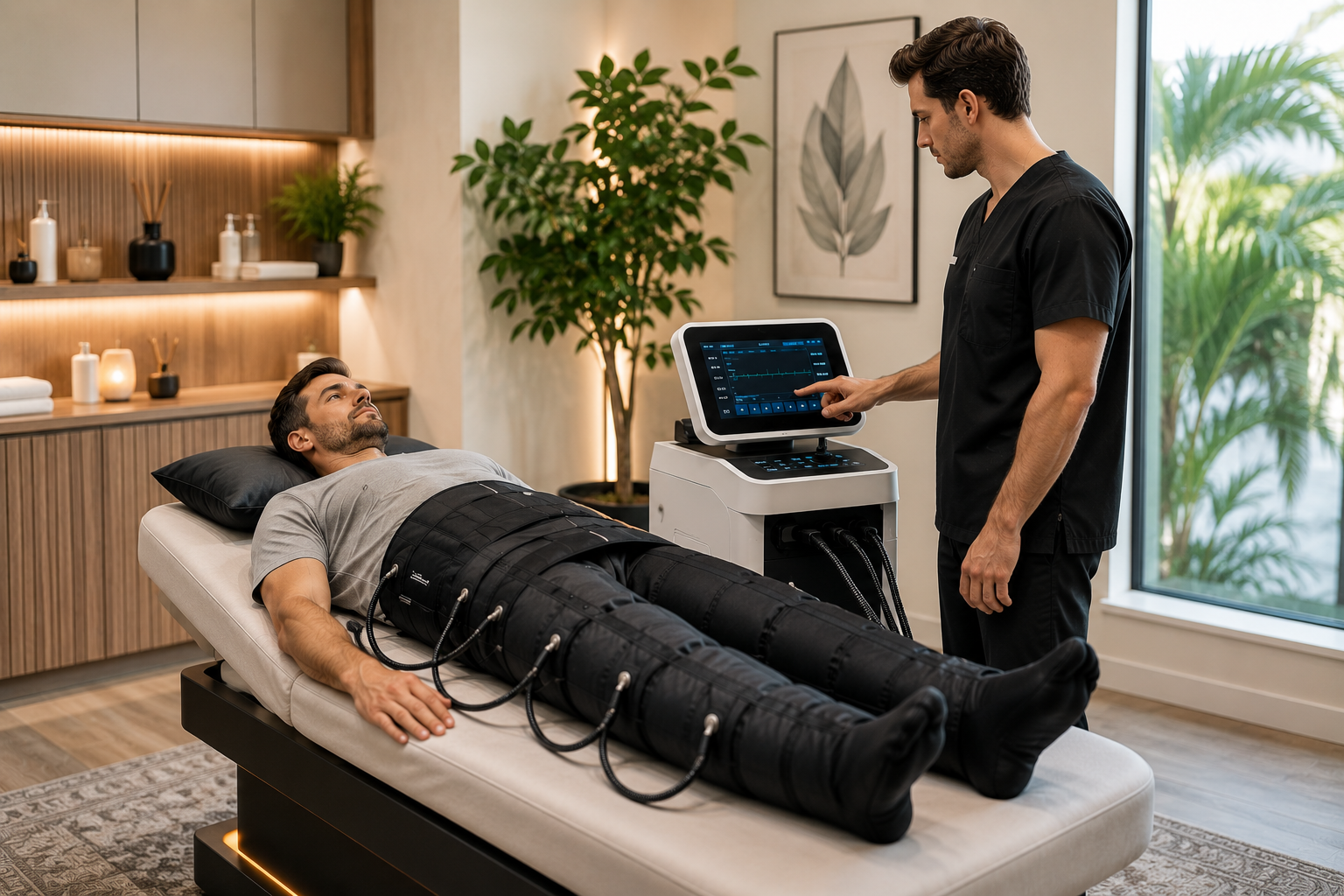
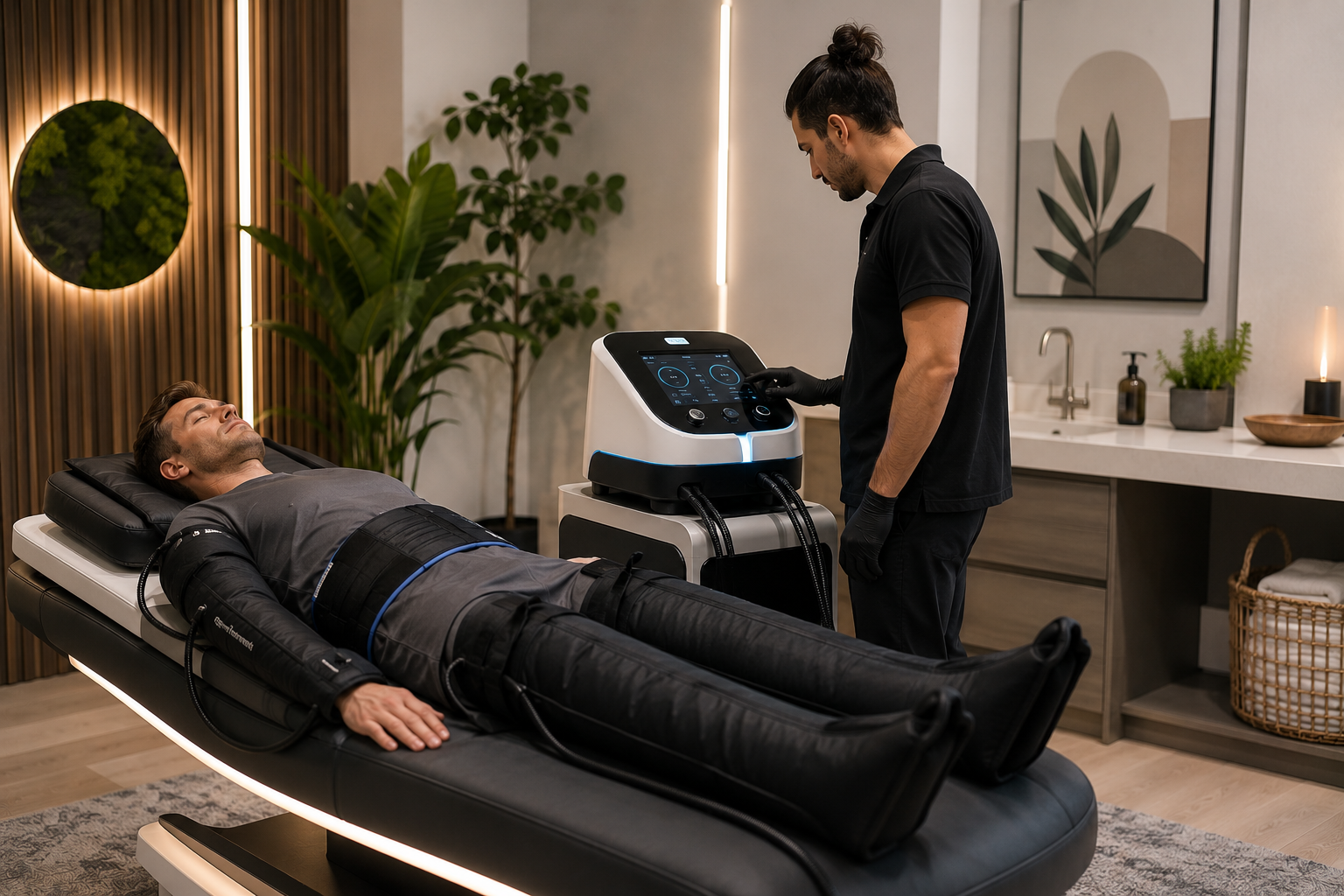
During treatment, inflatable cuffs are placed around the calves, thighs, and lower body. The system uses heart-monitoring signals to coordinate the cuffs with each heartbeat. The cuffs inflate in sequence while the heart relaxes and then quickly release before the next contraction. This pressure pattern is designed to move blood from the lower body toward the heart and support circulation.
Freedom Health Care Center may also serve as an autoimmune disease prevention center for people who want to become more aware of factors linked with long-term health. Prevention-focused care does not mean an autoimmune condition can always be prevented. Instead, we help clients recognize health risks, improve everyday habits, and make informed choices that support their general condition.
Searches for autoimmune support near me often come from people who want more than short conversations about symptoms. We give clients time to discuss their health history, concerns, habits, and goals. That information helps us decide which naturopathic methods may fit their situation.
Once daily health patterns are understood, care can move toward therapies and wellness methods that address other parts of the individual health picture.
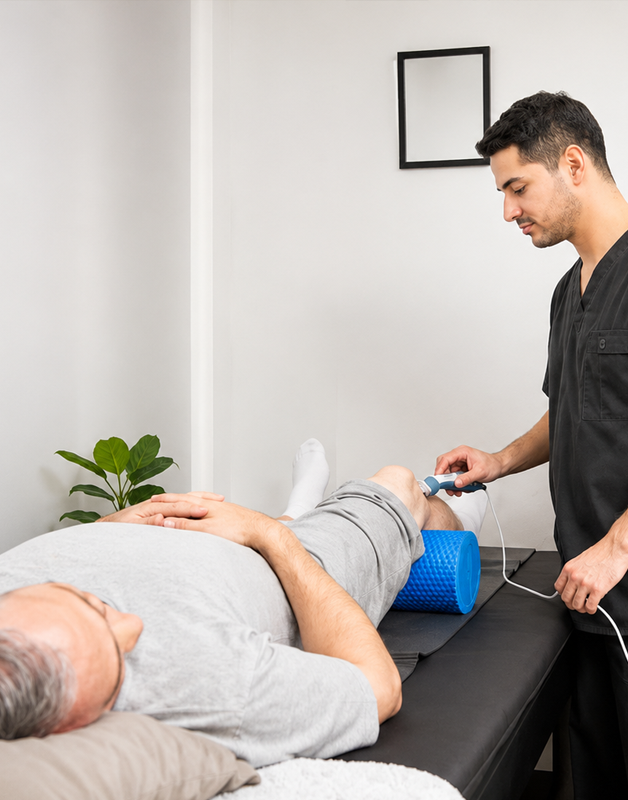
EECP is different from a one-time treatment because it is usually provided over a series of sessions. A commonly used treatment course includes about 35 one-hour sessions, often scheduled five days per week for seven weeks. However, the appropriate schedule can depend on the person’s health needs and treatment plan.
During EECP therapy in Lexington, KY, the individual rests on a treatment table while the cuffs work in rhythm with the heartbeat. Monitoring equipment may be used to help coordinate inflation and deflation accurately.
Some people notice changes gradually rather than after the first visit. Responses also vary. Therefore, EECP should not be presented as a guaranteed solution or a replacement for all other heart care. Possible side effects can include temporary muscle soreness, fatigue, skin irritation, bruising, or discomfort where the cuffs apply pressure. Anyone who develops unusual or concerning symptoms should discuss them with an appropriate healthcare professional.
Freedom Health Care Center focuses on helping clients understand the therapy process and how a non-invasive option may fit within their overall wellness plan. The next important question is whether a person is an appropriate candidate for treatment.
Some people with chronic stable angina continue to experience symptoms even after using prescribed medications or receiving previous heart procedures. Others may not be suitable candidates for certain invasive procedures. In appropriate cases, EECP may be discussed as another way to help manage symptoms.
People searching for EECP therapy near me should understand that treatment suitability depends on more than having occasional chest discomfort. Medical history, cardiovascular health, blood pressure, circulation, heart rhythm, and other conditions can affect whether EECP is appropriate.
We take time to understand health concerns, current symptoms, wellness goals, and relevant health history before discussing how EECP may fit into an individualized care approach.
EECP uses external cuffs and controlled pressure to support circulation without incisions or surgical treatment, allowing appropriate clients to receive therapy in an outpatient setting.
We explain what clients can expect from EECP, including the treatment process, session schedule, and important considerations, so they can make informed decisions about their care.
Enhanced External Counterpulsation, or EECP, is a non-invasive therapy that uses inflatable cuffs around the lower body. The cuffs inflate and release in coordination with the heartbeat. They tighten while the heart is in its resting phase and release before the heart pumps again.
This timed pressure is designed to support blood movement from the legs toward the heart and improve circulation during treatment. EECP does not require an incision, catheter, or surgical procedure. It is most commonly associated with care for chronic stable angina in appropriate patients. At Freedom Health Care Center, clients can discuss EECP therapy in Lexington, KY and learn how the treatment process works before deciding on their next steps.
During EECP, inflatable cuffs are wrapped securely around the calves, thighs, and lower body. As the system begins working, the person feels the cuffs tighten and release repeatedly in rhythm with the heartbeat. The sensation is often described as strong or firm pressure around the legs.
The individual remains lying down throughout the session and does not need anesthesia. The pressure should be monitored so treatment remains appropriate for the person. Some people may develop temporary soreness, skin irritation, bruising, or fatigue from repeated cuff pressure. Anyone experiencing significant discomfort or new symptoms should tell the person supervising treatment. Knowing what the pressure feels like beforehand can make the first EECP session easier to understand.
A commonly used EECP treatment course totals about 35 hours. This is often divided into one-hour sessions, five days per week, for approximately seven weeks. However, treatment schedules can vary depending on individual circumstances and the recommendations of the healthcare professionals involved in the person’s care.
Because EECP works through repeated treatment sessions, attendance and consistency can be important parts of the overall program. People considering EECP should ask about session length, scheduling, and what happens if an appointment is missed. Freedom Health Care Center can provide information about available appointments and the treatment process. The exact plan should be based on the individual rather than assuming every person requires the same schedule.
EECP is commonly considered for certain people with chronic stable angina, including some who continue to have symptoms despite medical treatment. It may also be considered when an individual is not an appropriate candidate for certain procedures used to restore blood flow to the heart.
However, having chest discomfort does not automatically mean someone should receive EECP. The cause of the symptoms matters. Medical history, heart rhythm, blood pressure, circulation, previous procedures, current medications, and other health concerns may influence eligibility. A qualified healthcare professional should review these factors before treatment begins. Freedom Health Care Center provides information about EECP services, while each person should continue working with their appropriate medical providers for cardiovascular diagnosis and ongoing medical management.
No. EECP is different from bypass surgery, angioplasty, and stent placement. Those procedures directly address blood flow through specific coronary arteries using surgical or catheter-based methods. EECP works from outside the body using inflatable cuffs that apply timed pressure to the legs.
Because no incision or catheter is required, EECP is described as a non-invasive outpatient therapy. However, that does not mean it replaces surgery, medication, or other cardiovascular treatment for every person. Different treatments are used for different medical situations. A person should not stop medication, delay a recommended procedure, or change an existing heart treatment plan simply because EECP is available. Treatment choices should be discussed with the healthcare professionals managing the person’s cardiovascular health.
No. EECP may be appropriate for some people, but certain health conditions can make treatment unsuitable or require additional medical review. Pregnancy, some heart rhythm problems, significant valve disease, blood clots, severe peripheral circulation problems, and certain blood pressure concerns may affect eligibility.
For this reason, health history should be reviewed before therapy begins. People should also provide accurate information about recent procedures, cardiovascular conditions, medications, and any major changes in their health. The goal is to determine whether the pressure and circulation changes created during EECP are appropriate for the individual. Anyone with questions about a specific medical condition should speak with an appropriate healthcare professional rather than assuming EECP is automatically safe based on symptoms alone.
EECP is generally performed as an outpatient treatment and does not normally require a hospital stay or surgical recovery period. Many people can return to their usual routine after completing a session. However, individual responses can vary.
Some people may temporarily feel tired or notice muscle soreness, skin sensitivity, or mild discomfort from the cuffs. Activity recommendations may also depend on the person’s underlying heart condition rather than EECP itself. Therefore, clients should follow the guidance provided by the healthcare professionals involved in their care.
For people considering EECP treatment in Lexington, KY, it is helpful to discuss work schedules, exercise, transportation, and other daily activities before beginning a multi-week treatment plan.
Sudden, severe, unexplained, or worsening chest pain should not wait for an EECP appointment. Chest pressure that occurs unexpectedly, happens while resting, lasts longer than usual, or appears with symptoms such as severe shortness of breath, fainting, sweating, nausea, or discomfort spreading into the arm, jaw, shoulder, or back may require emergency medical attention.
EECP is an outpatient treatment used in planned care. It is not a way to manage a possible heart attack or other cardiovascular emergency.
Anyone who believes they may be having a heart attack should call 911 or seek emergency medical care immediately. After an urgent condition has been evaluated, appropriate healthcare professionals can determine which ongoing treatment options may be suitable.