
Low vitamin D levels can affect more than one part of overall health. People may become concerned about vitamin D because of limited sunlight exposure, seasonal changes, lifestyle habits, or information found during a health evaluation.
Vitamin D Light Therapy in Lexington, KY uses controlled ultraviolet B (UVB) light exposure designed to work with the skin’s natural vitamin D production process. At Freedom Health Care Center, this supportive therapy is considered according to each person’s health history, skin sensitivity, wellness needs, and overall care plan.
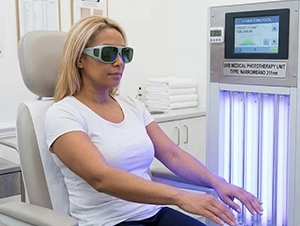
At Freedom Health Care Center, we take an individualized approach to Vitamin D Light Therapy in Lexington, KY. The skin naturally produces vitamin D3 when it receives certain wavelengths of UVB light. Controlled light exposure is designed to use this biological process rather than treating every person with the same general approach.
Vitamin D needs can vary considerably. Sun exposure, skin pigmentation, age, lifestyle, diet, season, clothing habits, and other health factors may influence vitamin D status. For that reason, the purpose of therapy and the person’s individual circumstances should be reviewed before beginning sessions.
Our approach begins by learning why the person is interested in vitamin D support and what other steps are already part of their wellness routine. This helps determine whether light-based therapy may have an appropriate role within a broader wellness plan.
Vitamin D Light Therapy should not be treated as a substitute for medical evaluation when vitamin D deficiency is suspected. A blood test measuring 25-hydroxyvitamin D [25(OH)D] is commonly used to evaluate vitamin D status.
Vitamin D is unusual because the body can obtain it from food and supplements while also producing it naturally in the skin. When suitable UVB wavelengths reach the skin, they begin a biological process that converts a naturally occurring skin compound into vitamin D3.
Vitamin D Light Therapy uses a controlled light source rather than relying on unpredictable outdoor sun exposure. The amount of exposure needs careful consideration because responses to UV light differ according to skin type, pigmentation, sensitivity, medications, previous exposure, and other individual factors.
The purpose is not to create a tan or provide unrestricted ultraviolet exposure. Controlled therapy and recreational tanning are different, and ultraviolet light should be used carefully because excessive exposure can cause skin damage. The American Academy of Dermatology also distinguishes medically controlled phototherapy from indoor tanning.
At Freedom Health Care Center, Vitamin D Light Therapy can be considered alongside nutrition, lifestyle support, and other wellness services rather than viewed as an isolated solution.

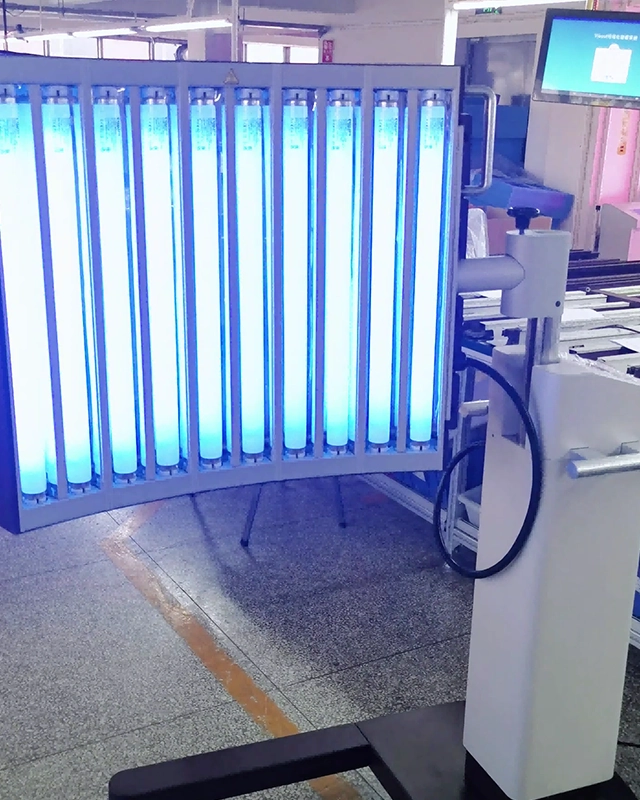
Your first visit involves more than simply standing in front of a light source. We want to understand your health concerns, current wellness routine, medications, supplements, previous reactions to sunlight, and reasons for considering Vitamin D Light Therapy.
The amount and frequency of light exposure should be based on the therapy system being used and individual tolerance. Some people may require a different approach because their skin reacts to UV light more quickly than another person’s skin.
Because UVB exposure affects the skin, more exposure does not automatically mean a better result. Redness, irritation, tenderness, or burning can occur with excessive ultraviolet exposure. Long-term ultraviolet exposure can also contribute to premature skin aging and skin cancer risk.
Clients should tell the care team about unusual skin reactions or changes between sessions. They should also disclose medications or health conditions that may increase sensitivity to ultraviolet light.
Our goal is to provide clear information about what the therapy involves so each client can make informed decisions about how it fits into their wider health and wellness plan.
Vitamin D plays an important role in normal body function, including calcium absorption and the maintenance of healthy bones. It is also involved in muscle, nerve, and immune function.
However, vitamin D wellness involves more than light exposure alone. Diet, supplements when appropriate, outdoor activity, health conditions, medications, and individual vitamin D levels can all be relevant.
At Freedom Health Care Center, we look at these factors together when discussing Vitamin D Light Therapy in Lexington, KY. The goal is to understand the bigger wellness picture instead of assuming one approach is suitable for every client.
Some people may be more sensitive to ultraviolet exposure because of certain medical conditions or medications. A history of skin cancer or conditions associated with increased photosensitivity may also affect whether UV-based therapy is appropriate.
Clients should continue any vitamin D plan or medical treatment recommended by their licensed healthcare provider unless that provider recommends a change.

We begin by reviewing your goals, health history, current wellness routine, supplements, and relevant skin considerations before discussing how Vitamin D Light Therapy may fit into your individualized wellness plan.
Light exposure should not follow a one-size-fits-all approach. We consider individual sensitivity and treatment needs when planning sessions and explaining what clients can expect from controlled UVB exposure.
We explain the purpose of each step, discuss changes or reactions you may notice, and help you understand how light therapy can work alongside nutrition, lifestyle habits, and other appropriate wellness support.
Vitamin D Light Therapy uses controlled UVB light exposure designed to stimulate the same natural process the skin uses to produce vitamin D3 following appropriate sunlight exposure.
UVB radiation interacts with 7-dehydrocholesterol naturally present in the skin and begins its conversion into vitamin D3. The body then processes vitamin D through additional steps in the liver and kidneys.
At Freedom Health Care Center, clients can discuss Vitamin D Light Therapy in Lexington, KY and learn how controlled light exposure may fit into a broader wellness approach. The therapy should not be confused with ordinary tanning or unrestricted exposure to ultraviolet light.
No. They use different wavelengths of light and are used for different purposes.
Vitamin D production in the skin is specifically associated with ultraviolet B radiation, generally within approximately the 290–320 nm range. Red or near-infrared light does not produce vitamin D through this same UVB-dependent process.
Clients should therefore ask what type of light technology is being used and what the intended purpose of the session is rather than treating every form of “light therapy” as the same treatment.
Session length depends on the light system being used, the planned exposure, skin characteristics, previous response to UV light, and individual circumstances.
UV-based therapy should use controlled exposure rather than longer exposure simply for the sake of increasing treatment time. The care team can explain the expected session length and frequency before beginning therapy.
Symptoms alone cannot reliably determine your vitamin D level. When vitamin D status needs to be evaluated, a blood test measuring 25-hydroxyvitamin D, or 25(OH)D, is commonly used.
A healthcare provider can determine whether testing is appropriate based on health history, symptoms, risk factors, medications, and other considerations.
Not automatically. Light exposure, food, and supplements represent different ways vitamin D may be obtained, and the appropriate option depends on the individual.
Someone who has been advised to take vitamin D supplements should not stop or change them solely because they begin light therapy. Vitamin D levels that are too low or too high can both be health concerns, making individual guidance important. Clients should discuss existing supplementation and laboratory results with the healthcare professionals involved in their care.
No. UV-based therapy may not be appropriate for everyone.
Certain health conditions can increase sensitivity to ultraviolet light. Some medications, including particular antibiotics, diuretics, and antifungal medicines, can also increase photosensitivity. A history of melanoma, other skin cancers, or specific photosensitive disorders may require additional medical consideration. That is why clients should provide accurate information about medications, skin history, previous reactions to ultraviolet light, and major health concerns before beginning therapy.
Ultraviolet exposure can cause side effects, particularly when exposure is excessive or unsuitable for the individual. Possible short-term reactions can include redness, tenderness, irritation, or a sunburn-like response.
Repeated ultraviolet exposure can also contribute to premature skin aging, and UV exposure is associated with skin cancer risk. Controlled dosing, appropriate screening, and attention to skin response are therefore important parts of responsible light-based care.
Clients should report significant redness, burning, unusual skin changes, or other concerning reactions.
Yes. When suitable for the individual, Vitamin D Light Therapy can be considered alongside other aspects of a wellness plan rather than being treated as the only factor affecting vitamin D or overall health.
At Freedom Health Care Center, our broader approach may include nutritional guidance, lifestyle support, holistic health care, and other available wellness therapies depending on individual needs.
People interested in Vitamin D Light Therapy in Lexington, KY can schedule a consultation to discuss their goals, current health information, and whether this service may fit appropriately within their overall wellness plan.
Interested in supporting your vitamin D wellness through a personalized approach? Speak with Freedom Health Care Center about Vitamin D Light Therapy and the factors that should be considered before beginning treatment.